
What happens to a student's social stories when they transfer schools?
7 min read
Usually they are lost, because they live in your Drive rather than in the student's record. The text can transfer. The photos cannot.

Is SocialBlossom good for making social stories?
7 min read
A solid home app for parents and a harder call for a school SLP. The catch is that a generated story is shared with the community.

How do you write a social story for an earthquake drill?
7 min read
Build the story around the four parts the student cannot predict: the alarm, the drop, the wait under the desk, and the walk outside.

How do you write a social story for a birthday party for a K-5 student?
7 min read
Build the story around the three moments that break the day: the singing, the gifts the student does not open, and the ending.

Do social stories reduce anxiety in autistic students?
7 min read
Not on broad anxiety scales, and yes on specific situations. That distinction should change how you word your IEP goal.

Is Ella good for making social stories?
7 min read
Ella is a good fit if your bottleneck is visuals, not wording. The monthly creation cap is what bites a school SLP first.

Social story for indoor recess on a rainy day (K-5)
7 min read
Indoor recess breaks the schedule and raises the sensory load at the same time. Here is the page-by-page scaffold.

Should you tell parents a social story was AI-generated?
7 min read
Yes, in one sentence, framed as a drafting step you reviewed. No federal rule requires it, but silence reads as concealment.

Is Ozzystory good for making social stories?
7 min read
Interactive activities and a free tier, but the AI is capped at 2 stories and the class plan tops out at 40 students.

What actually needs to be personalized in a social story?
6 min read
Five fields: the setting, the named adult, your team's exact words, the sensory detail, and the student's own strategy.

How do you write a social story for frustration and big feelings for a K-5 student?
7 min read
Spend the first three pages on what frustration feels like in the body, and only one page on what to do about it.

Is EZducate good for making social stories?
6 min read
It is genuinely fast and genuinely free, and that speed is exactly what should slow you down before you type a student's name.

How do you write a social story for field day for a K-5 student?
6 min read
Write six pages covering the four things field day actually breaks: the schedule, the noise, the body, and winning versus losing.

Can a social story go on a 504 plan instead of an IEP?
6 min read
Yes, and it is binding on every teacher once it is there. The catch is wording: name the situations, the provider, and the timing.

Is StoryRetriever good for making social stories?
6 min read
It is good at the handoff, not at the drafting. Cross-device access and a parent share link are the real differentiators.

Is a neurodiversity-affirming social story different from a Carol Gray one?
8 min read
Mostly no, and that surprises people. The Carol Gray criteria already forbid the compliance framing that autistic adults object to.

What do you do when a student refuses to read the social story?
8 min read
Stop reading it, and treat the refusal as data. A student who pushes the story away is telling you about timing, tone, format, or topic.

Is LessonPix good for making social stories?
8 min read
It solves the picture half well and the writing half not at all. Roughly $48 a year for symbols and photo uploads, with no drafting.

Social story vs Zones of Regulation: when do you use each?
8 min read
They answer different questions, so most students need both. A social story primes one situation. A regulation framework labels a state.

Social story vs social article: which one does your student need?
7 min read
Same methodology, different packaging. The practical trigger is a fourth or fifth grader who has started hiding the material.

Social story for a school vision and hearing screening
7 min read
A screening social story has to teach the response task: raise your hand when you hear the beep. That is the part students miss.
Is Twinkl good for social stories? A school SLP review
7 min read
Twinkl is good for generic scenarios and weak for one specific student. Its AI assistant Ari closes the text gap, not the image gap.
Should the parent or the school SLP write the social story?
7 min read
Whoever owns the setting writes the story. School routines to the SLP, home routines to the parent, shared routines split in two.
Social story for walking in the hallway (K-5)
7 min read
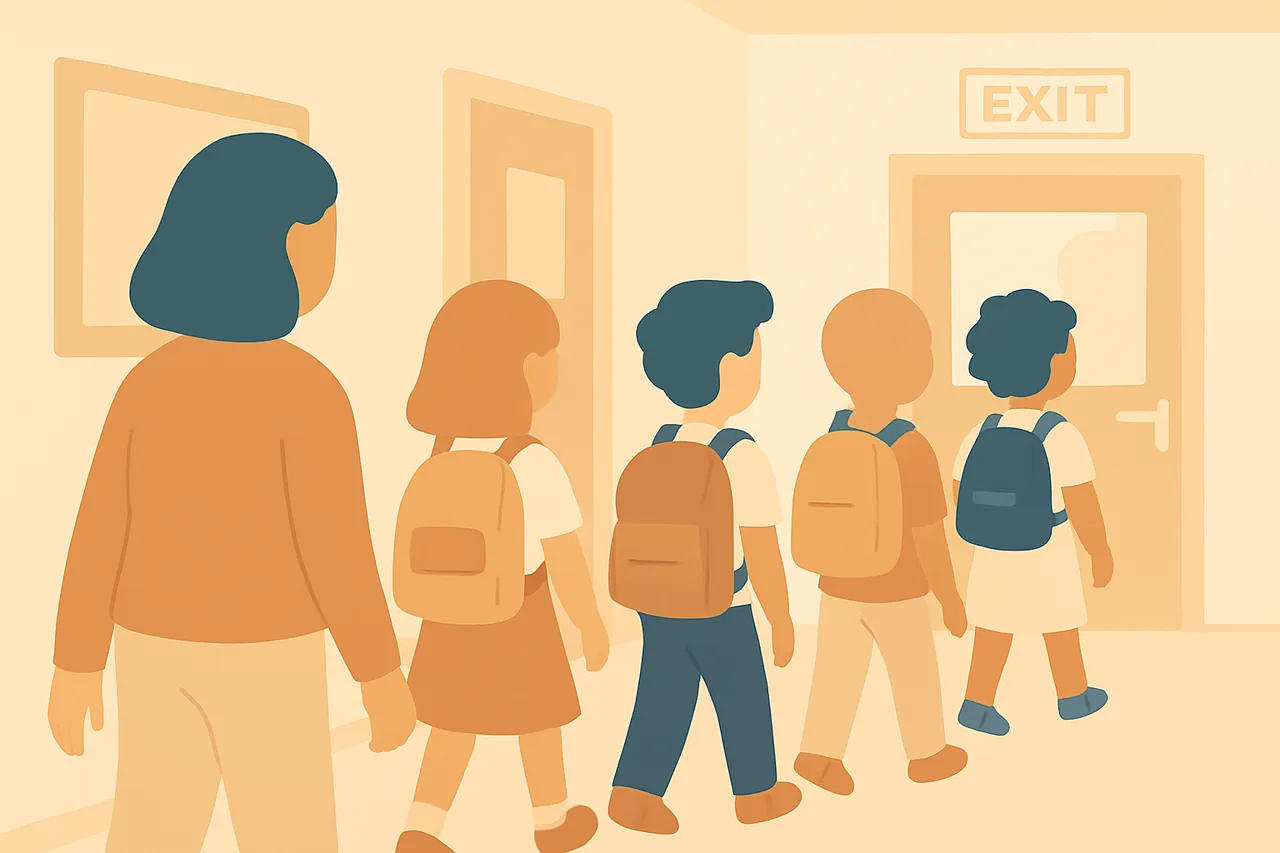
A hallway social story works when it names the sensory load first and the rule second. Here is the six-page structure.

Should you write a social story to stop a student's stimming?
7 min read
No. A social story written to stop stimming is the wrong use of the tool. Write about where and when, not whether.

How do you write a social story for a class party or school celebration?
7 min read
Cover four things: the schedule change, the noise, the food rules, and exactly when it ends. A party breaks all four at once.

Can Khanmigo write a social story?
6 min read
It can draft the text, but there is no dedicated social story tool in Khanmigo, and no pictures either.

Does the MagicSchool social story generator make pictures?
6 min read
No. MagicSchool's social story generator returns text only, so the visuals are still your job, and pictures are the expensive half.

Social story vs Power Card: which one should you use?
7 min read
A social story explains a situation in the student's own voice. A Power Card borrows a character the student already loves to model the steps.

Social story for going to the speech room
7 min read
Describe the pull-out routine step by step, name who comes to get the student, and say plainly when they go back to class.

How do you write a social story for ending iPad or screen time?
7 min read
A screen time social story works when it defines the ending signal before the device is ever handed over, then names the activity that comes next.

How do you write a social story for a student with selective mutism?
8 min read
Write it to lower the pressure to speak, not to request speech. It supports exposure work, it does not replace it.

Can you use Book Creator to make a social story?
7 min read
Yes, if your district already licenses it. It handles the format a K-5 social story needs, but it does not write the text or check the methodology.

Can Microsoft Copilot write a social story for a student?
7 min read
Yes, and if you sign in with your school Microsoft 365 account it drafts inside the tenant your district already approved. It still makes no pictures.

How do you use a student's special interest in a social story?
7 min read
Use the special interest as the frame, not the lesson. Put it in the title, the illustrations, and the closing sentence, and keep the student as the main character.

How do you write a social story for morning drop-off separation?
7 min read
It works when it names the goodbye, gives it a short fixed routine, and answers when the grown-up comes back. Most versions skip that third part.

What skills do social stories actually improve?
6 min read
Social stories move social skills, safety skills, and problem behaviors. A 2026 meta-analysis found no significant gain in classroom adaptive skills.

Is it ethical to sell AI-generated social stories on TPT?
6 min read
Yes, if you do real work on top of the draft. Selling raw AI output is the problem, not using AI.

Social story for a student who is being teased at school
6 min read
Write it as a reporting and self-advocacy story, never a compliance story. Here is the page-by-page structure.

How to write a social story for asking for help in class
5 min read
Build the story around the one moment your student misses: the second they get stuck.

Can an AI social story generator read the story out loud?
5 min read
Some can, most cannot. What matters is whether the audio travels with the file you hand a teacher.

Do social stories work for a student with autism and an intellectual disability?
5 min read
Yes, with direct evidence, but the story has to be shorter and more concrete than one for a same-age peer.
How long before a social story starts working?
8 min read
Give it at least six readings over four weeks before you judge it.
Should you pair a social story with video modeling?
8 min read
Yes, when the routine has a physical sequence the student has never watched anyone perform.

Social story for wearing glasses or hearing aids at school
8 min read
Write it about how the device feels, not about why wearing it is good for you.

What reading level should a social story be written at?
7 min read
Write it at or slightly below the student's receptive language level, not their grade level and not their decoding level.

Do social stories work for preschool and kindergarten students?
7 min read
They can, and the evidence is genuinely thinner below age 7 than above it.

How do you write a social story for circle time or carpet time?
7 min read
Describe the sequence, name the sensory reality honestly, and give one specific break option.
Where does a social story go in the IEP?
7 min read
Most teams put it under supplementary aids and services, not on the goals page.
Should you buy social stories on Teachers Pay Teachers or make your own?
7 min read
Buy the template, make the story. A purchased story cannot contain your student's name, adults, or room.

How do you write a social story for a student who runs out of the classroom?
7 min read
Build the story around the safe alternative, not around the running.

What are the three parts of a social story?
6 min read
An introduction that identifies the topic, a body that adds the detail, and a conclusion that reinforces and reassures.

Student recites the social story but does not follow it
7 min read
Reciting is recall, not use, and the two are separate outcomes. Change where and when the story is read before you rewrite it.
Social story for PE class and gym (K-5)
7 min read
Write the story about the one moment gym breaks down, not about gym. Usually that is the entry, the whistle, or team selection.

Social story for crossing the street safely (K-5)
7 min read
Write it as a five-page safety story with one unambiguous directive sentence, and pair it with supervised practice at the real crossing.

Social story vs social script: what is the difference?
7 min read
A social story describes a situation before it happens. A social script gives the student the exact words to say during it.

Do social stories work for older elementary students?
7 min read
Yes, and the evidence is strongest at this age. The largest recent meta-analysis found effects strongest for children aged 7 to 12.
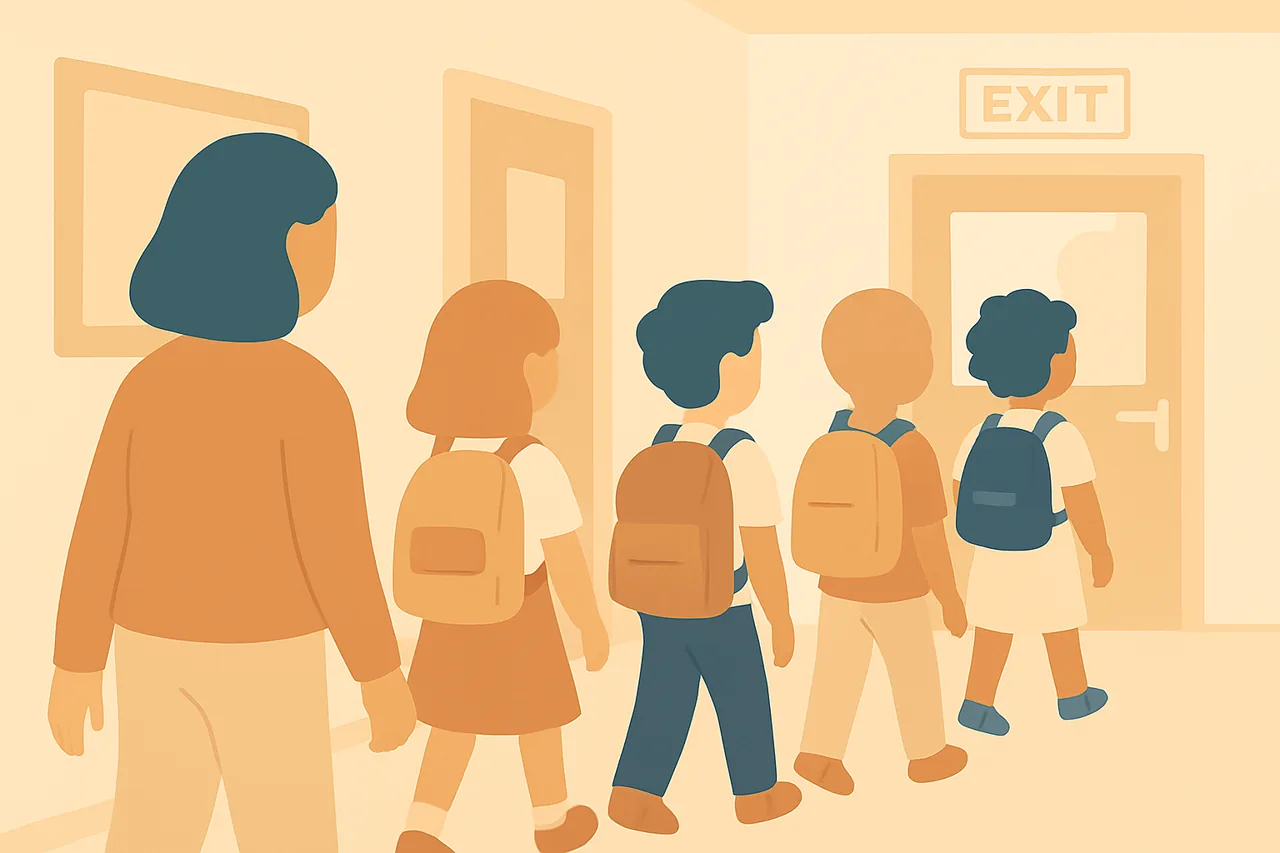
How do you write a social story for a student you have not met yet?
7 min read
Write the setting, not the student. The room, schedule, and adults are accurate on day one. Feelings and coping strategies are not.
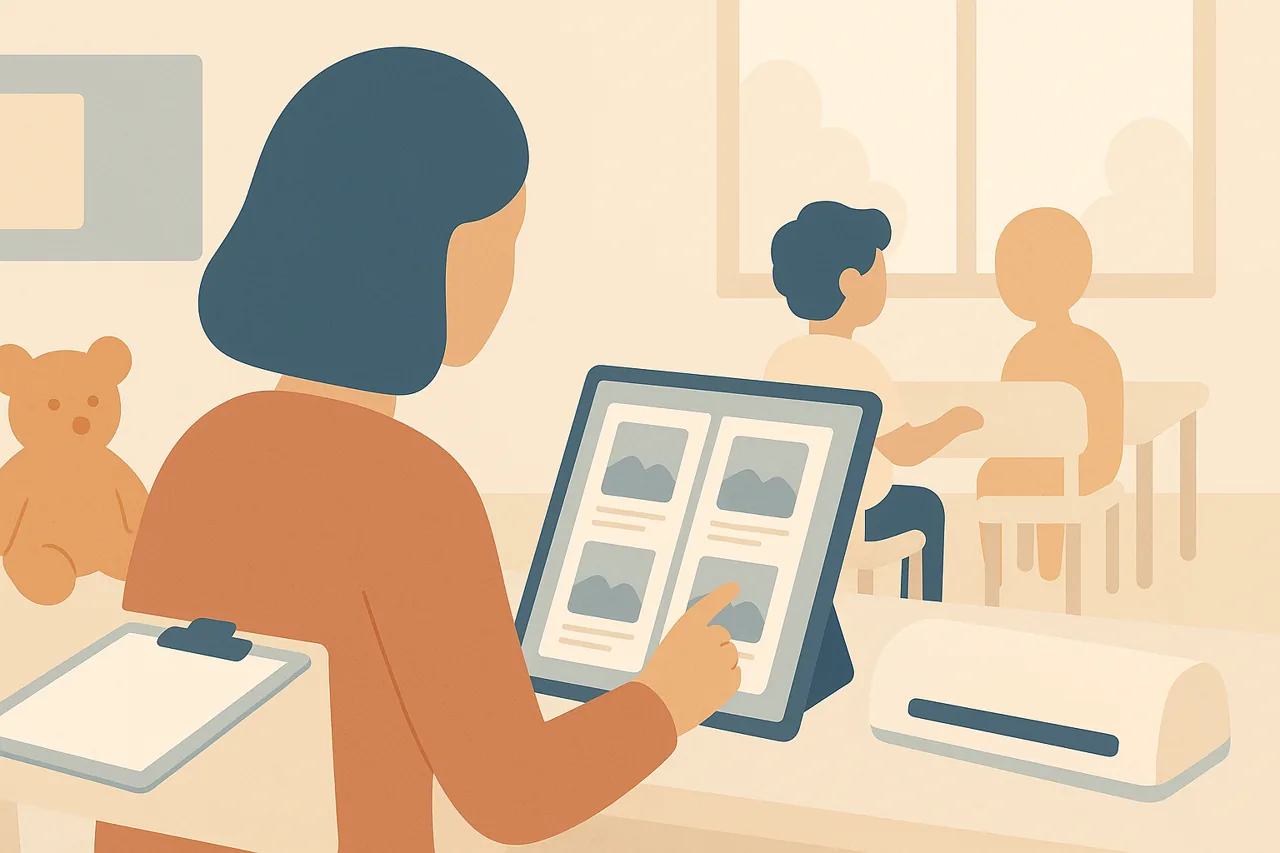
Social story for state testing day (K-5)
7 min read
A testing day story has to cover the cleared desks, the enforced silence, and the rule that no adult will answer a question.
Can a social story be about something the student already does well?
7 min read
Yes, and Carol Gray methodology asks for more of them: at least half of a student's stories should applaud an existing achievement.

Is the SOFA app worth it for school SLPs?
7 min read
SOFA is free, research-backed, and built by the University of Bath. Here is what it does well for a K-5 caseload, and the US data-privacy catch.

Social story for a tornado or severe weather drill (K-5)
7 min read
A tornado drill story has to cover the interior hallway, the crouched position, and the long silent wait, not just the alarm.

Do AI social story generators work on a school Chromebook?
7 min read
Browser-based generators work. iPad apps do not. Which social story tools actually open on a district-managed Chrome OS device.

What is a cooperative sentence in a social story?
6 min read
A cooperative sentence names who will help the student and what that help looks like. It puts the verb on the helper, not the student.

How do you write a social story for an unexpected schedule change?
6 min read
Write it before the change happens, and teach the pattern of change rather than one cancelled assembly.

Is the Touch Autism Social Story Creator app still worth using in 2026?
6 min read
Yes on iOS if you want real student photos with voice recording, offline use, and printing. No if you need a text drafter or Android.

How do you write a social story when the behavior is sensory-driven, not social?
6 min read
Write the story to explain the sensation and name one option the student can use without asking, then pair it with an actual accommodation.

How do you write a social story for moving to a new house?
6 min read
Write a moving social story as a sequence: old house, packing, the trip, new house, and what stays the same. Photo checklist, timeline, and a K-5 template.

Will a social story generalize outside the classroom?
6 min read
Social stories often do not generalize on their own. What the research says, the generalization-promotion strategies that help, and how to plan for it upfront.

How many social stories can one school SLP realistically maintain?
6 min read
A capacity model for social stories on a real caseload: the minutes each story costs, how many stay active at once, and what to cut when the number gets too...

Can an AI social story generator remember a student's profile between stories?
6 min read
Most AI social story tools forget a student between sessions, so you re-enter the profile every time. Here is which tools remember and how to work around...

How do you get parent consent to use a student's photo in a social story?
6 min read
A student photo used in a social story is usually a FERPA education record, so you need written parent consent. Here is the workflow and a photo-free fallback.

What is a partial sentence in a social story?
5 min read
A partial sentence in a social story is a fill-in-the-blank line that lets the student guess the next step. Here is what it does, examples, and when to use it.
What is an affirmative sentence in a social story?
5 min read
An affirmative sentence reinforces a shared value or reassurance right after a fact or a directive. Here is what it does, examples, and where it goes.

Can an AI social story generator make a printable, laminate-ready PDF?
5 min read
Most AI social story generators output text or a web page, not a print-ready PDF you can laminate. Here is which tools export a real PDF.
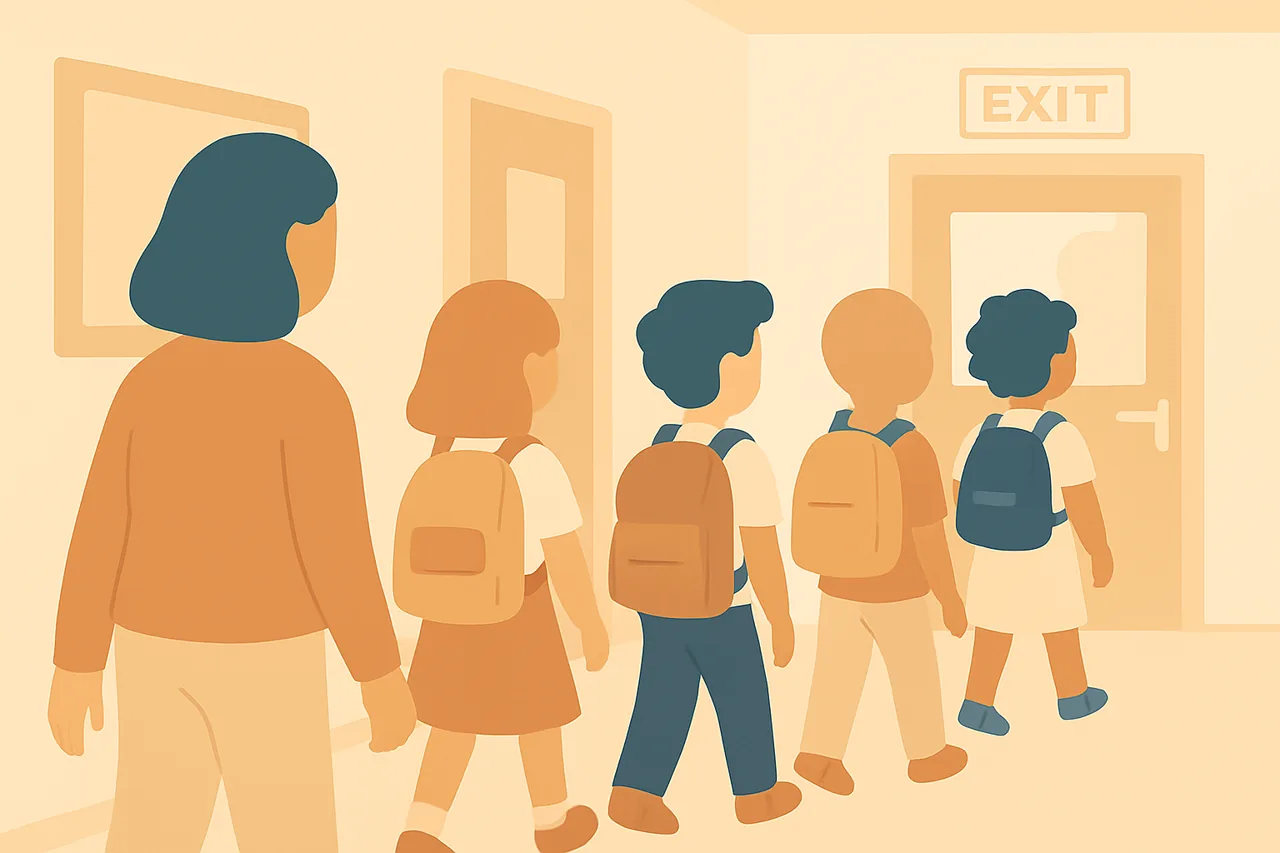
How to write a social story for sharing and taking turns (K-5)
5 min read
A social story for sharing and taking turns works when it names the exact moment your K-5 student grabs or cuts the line. Here is the 10-minute workflow.
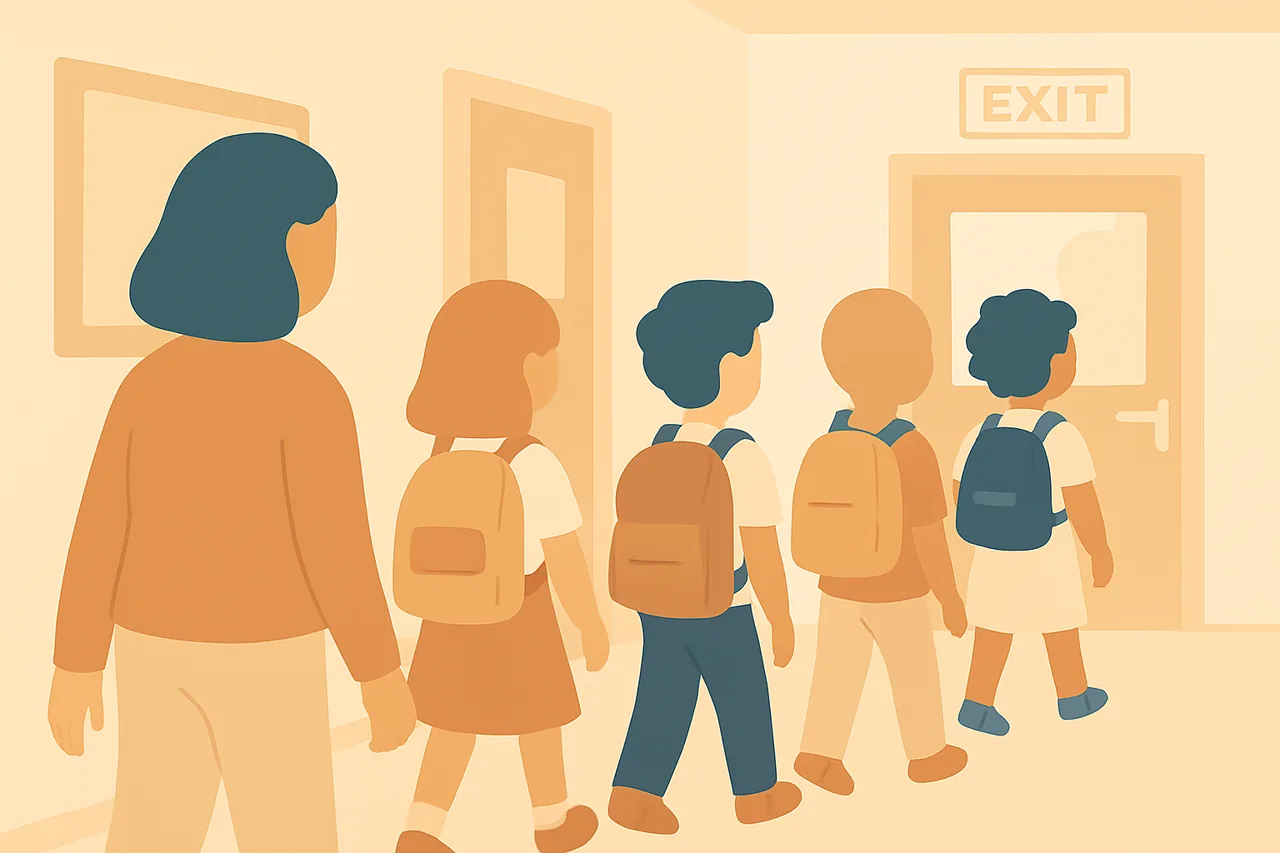
Social story for washing hands at school (K-5)
6 min read
A handwashing social story should cover the steps in order, the one sensory trigger the student actually reacts to, and a single coping tool.
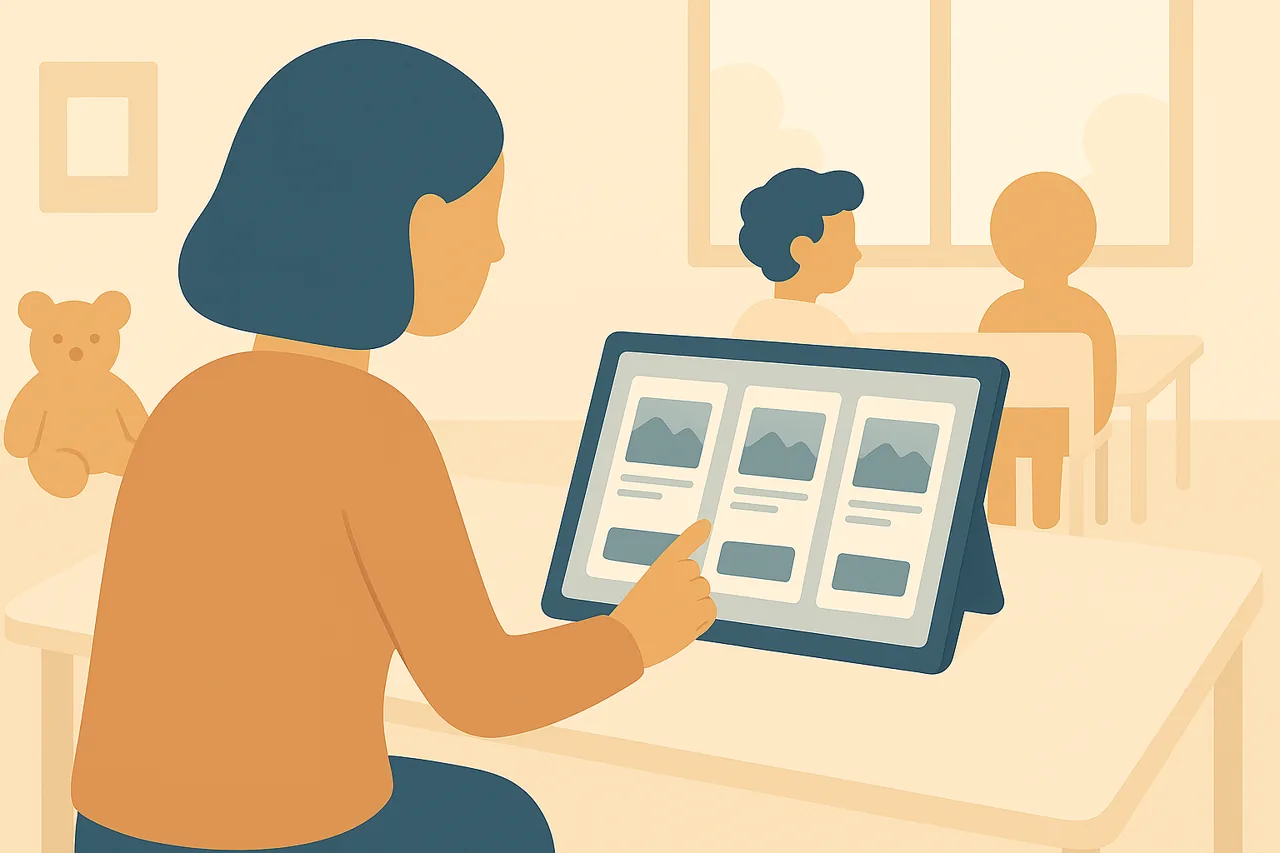
Are AI social story generators actually Carol Gray compliant?
7 min read
Usually not by default. Most AI generators draft fast but skew directive, breaking the Carol Gray ratio of two descriptive or perspective sentences per directive.
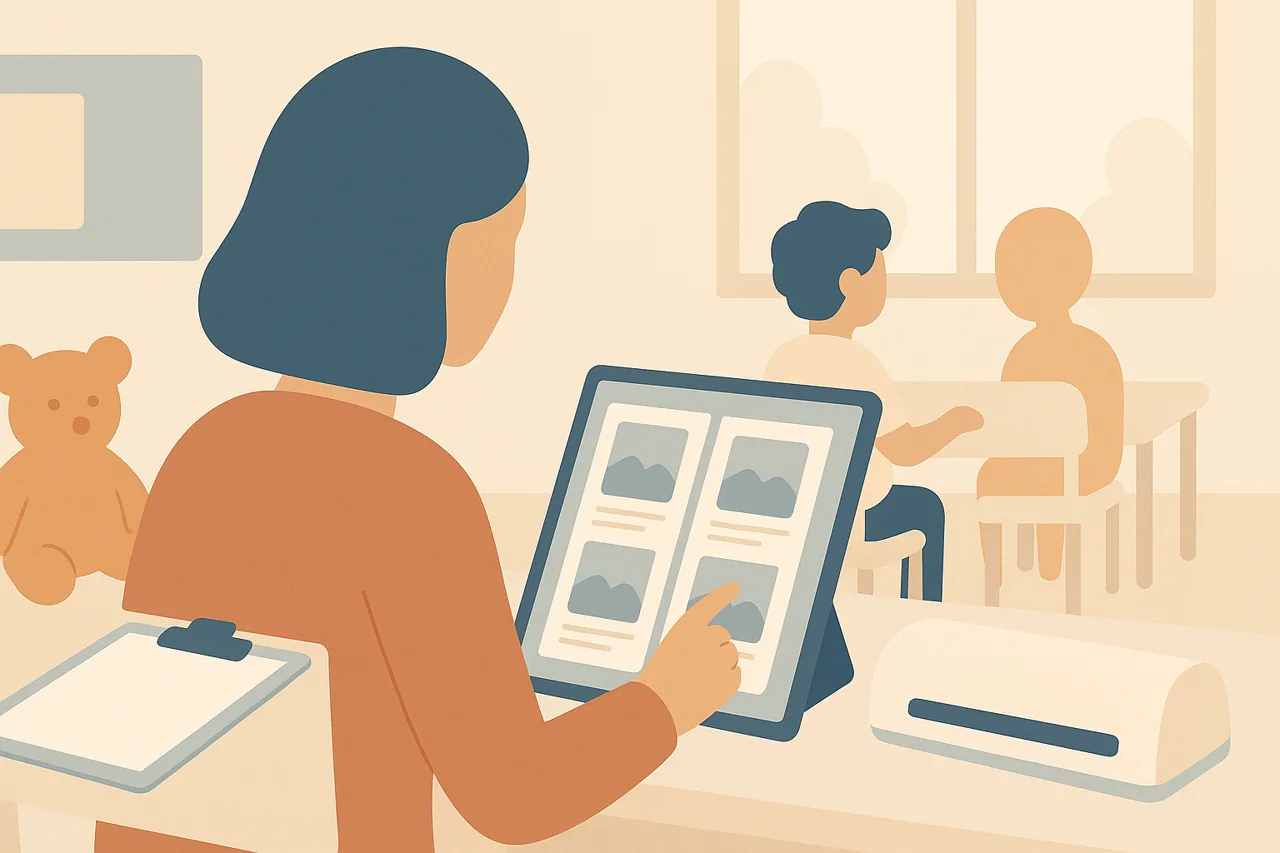
How to make a reusable fill-in-the-blank social story template
7 min read
Build one story scaffold per scenario, mark the changeable parts as slots, and swap them for each new student instead of writing from scratch.

How to write a social story for idioms and figurative language
7 min read
An autistic student takes idioms literally? Show both meanings side by side and give them one script: if I do not know what a phrase means, I can ask.

Why does AI change the child's face across social story pictures?
6 min read
ChatGPT and DALL-E redraw the child from scratch on every page, so the same student looks different each time. Here is why, and the workarounds that hold one character.

How to write a social story for going to the post office
7 min read
The page beats, the sensory warnings, and the Carol Gray ratio for a post office social story a K-5 student can actually use, plus why ChatGPT alone falls short.
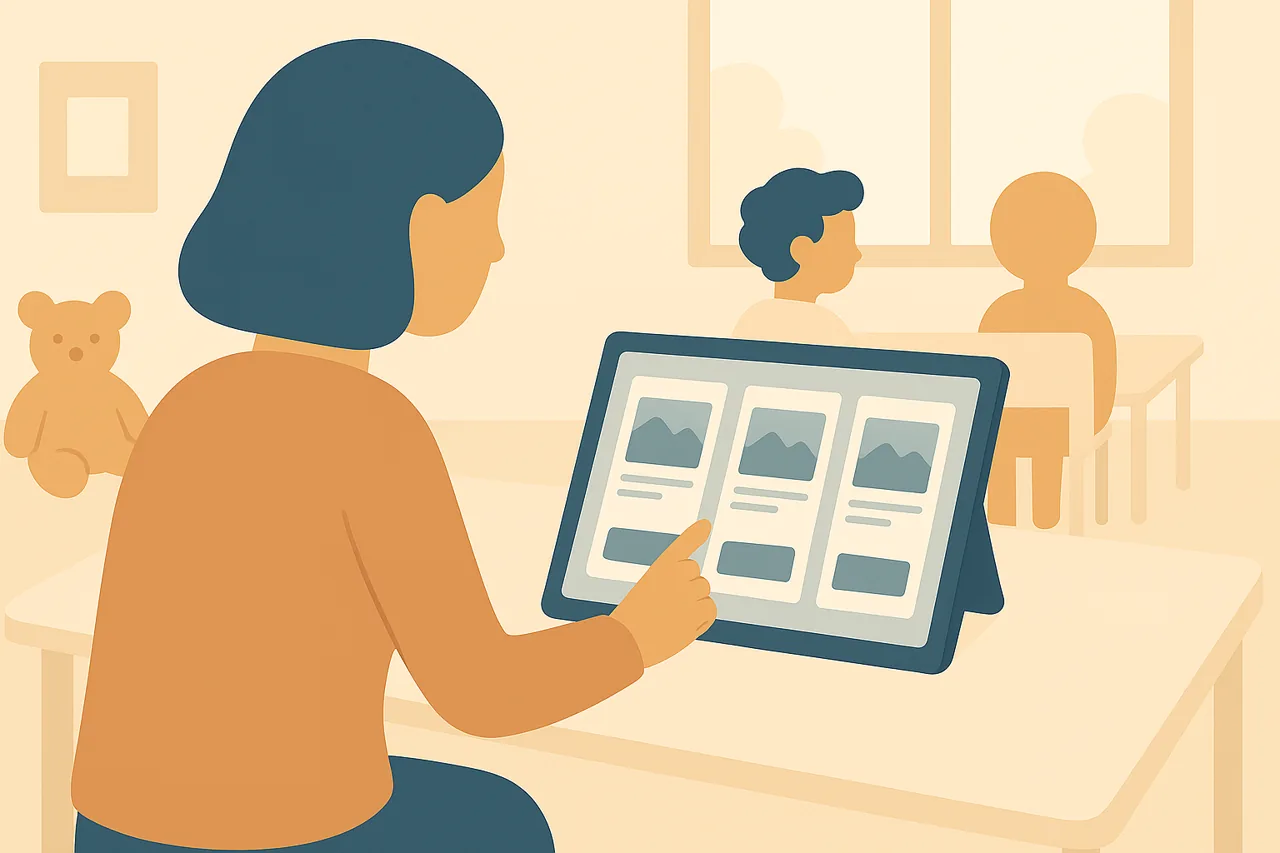
What to do when a student cannot relate to the cartoon in a social story
7 min read
If your student ignores the cartoon character in a social story, make the story about the student, not a stranger, with their own photo or special interest.
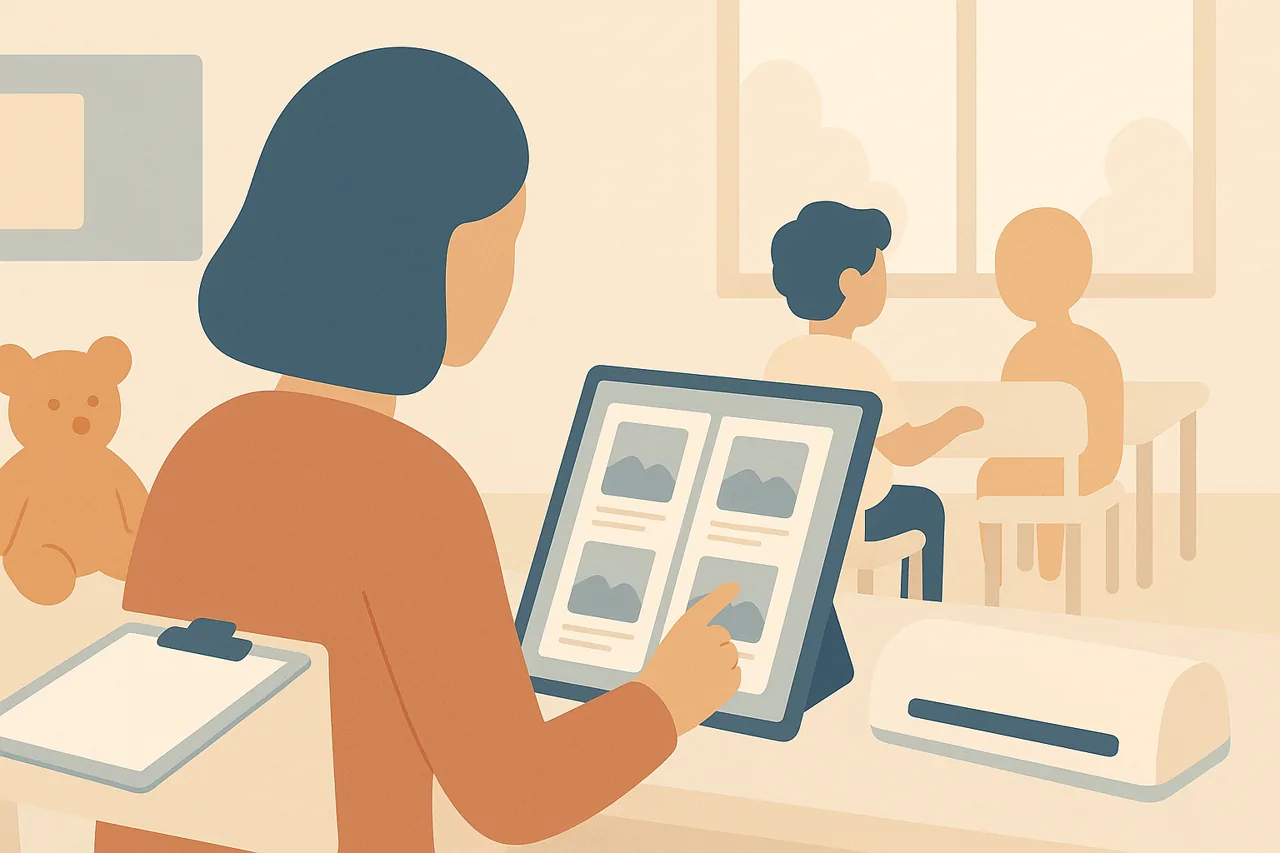
Can building the social story with your student count as the session?
7 min read
Making the social story with your student is an activity, not just prep for one. How to target IEP goals while you co-create, plus the research behind it.
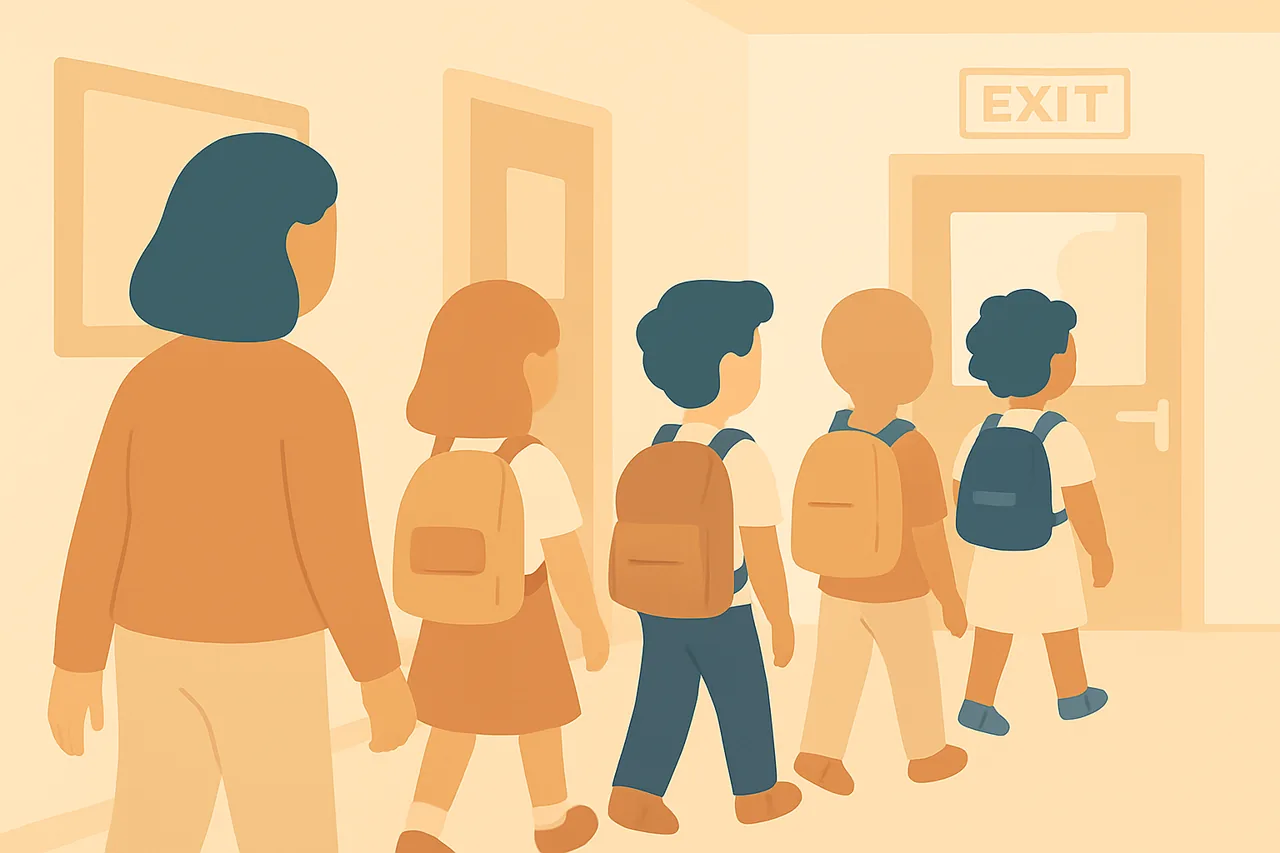
Social story for coming home after an outing
7 min read
The hardest part of an outing for many autistic K-5 students is not the outing. It is coming home. A step-by-step story and a reusable template for that transition.

Can Claude write a social story, and is it FERPA-safe?
7 min read
Claude can draft social story text fast, but it makes no pictures, layout, or Carol Gray check. What it does well, where it fails, and how to keep it FERPA-safe.

How to translate a social story for a bilingual or ESL family
7 min read
Translate the finished English story first, then fix idioms and re-check the Carol Gray sentence ratio, and keep the whole thing FERPA-safe.

How to write a social story for raising your hand in class
7 min read
Describe the moment step by step, keep at most one directive sentence, and describe the wanted behavior instead of banning the unwanted one. Page template included.
Can Google Gemini write a social story, and is it FERPA-safe?
7 min read
Gemini can draft social story text in a minute, but the version and your district agreement decide if it is FERPA-safe. What a school SLP should check.
Can a poorly written social story make behavior worse?
7 min read
Yes, a badly written social story can backfire. The specific writing mistakes that raise anxiety or reinforce the wrong behavior, and how to fix each one.
How to write a social story for a picky eater trying new foods
7 min read
Describe the food with the senses, set a low-pressure goal like looking or smelling instead of swallowing, and let the student control the pace.
How to make a social story in Google Slides fast
7 min read
Build one reusable master slide, duplicate it per page, and export to PDF. A 15-minute Google Slides workflow for school SLPs.
What is a control sentence in a social story?
7 min read
A control sentence is the one line the student writes themselves, in their own words, to recall a coping strategy. Here is when to use it.

How to write a social story for school picture day
7 min read
Walk the event in order: the wait, the mark, the pose, and the quick bright flash. A reusable six-beat scaffold cuts the build time.

How Do Pediatric OTs Fit Social Story Creation Into a Packed Caseload?
7 min read
The trick is to stop building each story from scratch. Keep a reusable sensory-scenario scaffold and swap only the details.

How Do You Write a Social Story for a Visit to the School Nurse?
7 min read
Walk the visit in order: why the student goes, what the office looks like, what the nurse does, and how it ends.
Social Story vs Comic Strip Conversation: Which Should a School SLP Use?
7 min read
Use a social story to prime a student before a situation, and a comic strip conversation to unpack one that already happened.

Should a Social Story Mention the Student's Autism Diagnosis?
6 min read
Usually, no. Carol Gray methodology favors describing the student's experience over naming a diagnosis directly.

Social Story for a Lockdown Drill (Autistic Student, K-5)
6 min read
Write the story as a calm, practiced routine, not an explanation of danger.

Widgit Online vs Boardmaker for Social Stories
6 min read
Widgit Online is a strong symbol-based story builder, but it runs on a different symbol set than Boardmaker's PCS.

Social Story for an IEP Meeting (K-5)
7 min read
A social story helps a K-5 student sit through an IEP meeting by naming who will be there and what to do if it feels long.

Best ChatGPT Prompt for a Carol Gray Compliant Social Story
7 min read
A good ChatGPT prompt names the sentence-type ratio, the student's reading level, and the scenario. Here is the exact structure.

How to Write a Social Story for a Nonverbal Student Who Uses AAC
7 min read
The Carol Gray methodology stays the same, but the vocabulary has to exist on the student's AAC device first.
Can a social story be used for a whole class, or does it have to be individual?
7 min read
A fully Carol Gray methodology story is written for one student. A class-wide version is a social narrative. When to use each, and how to reuse one scaffold.
How to write a social story about personal space and keeping hands to yourself
7 min read
It works when it explains why space matters and gives one concrete thing to do with busy hands, not a list of "I will not touch" rules. A 6-page scaffold.
How to write a social story for the calm down corner
7 min read
It works when it frames the corner as a tool the student chooses, not a place they get sent. A 6-page workflow that keeps it a support, not a punishment.

How to write a social story about the death of a grandparent for a K-5 student
6 min read
Use the concrete word "died," define death in plain terms, name that hard feelings are okay, and point to what stays the same. A gentle 6-page workflow.

How to print and laminate social stories for a K-5 binder
6 min read
Half-letter pages, 3 mil laminate, and a single binder ring: a durable K-5 story you can hold, that survives a backpack, and that you can still edit.

Can you use Canva to make a social story?
6 min read
Yes, Canva builds a clean, printable story and it is free for most K-12 staff. But it will not write the words or check the Carol Gray ratio.

How to collaborate with the classroom teacher on a social story
6 min read
The fastest way to collaborate on a social story is to split it by expertise: the teacher supplies the real situation, you handle the methodology.

How to write a social story for a hospital visit for a K-5 student
6 min read
A hospital social story for an autistic K-5 student should be 4 to 6 pages that walk through the visit in order: arriving, waiting, the exam, going home.
The best AI social story generator for special education
8 min read
There is no single best AI social story generator. The right tool depends on whether your bottleneck is the words or the pictures.
How to write a social story for the car rider pickup line
7 min read
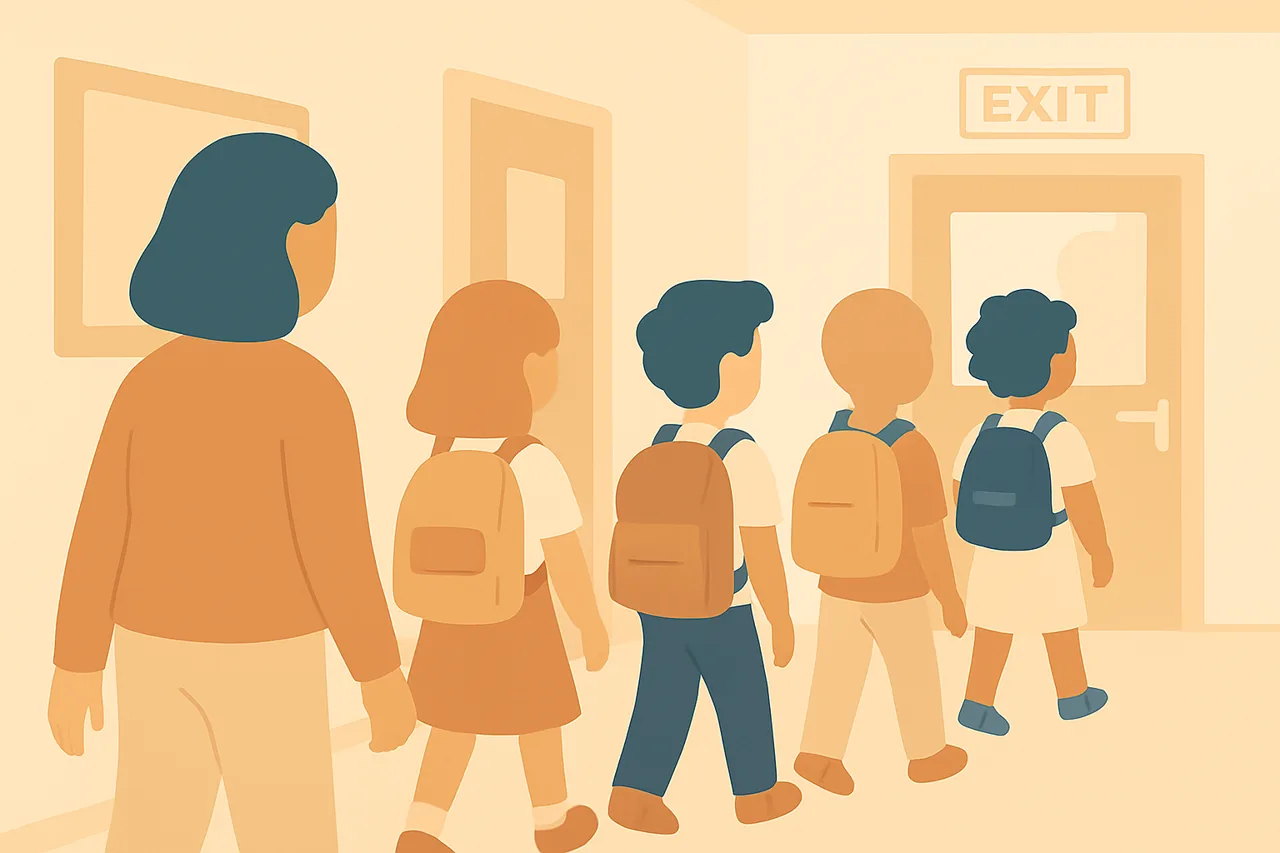
A car rider pickup line social story works best when it walks the student through the whole sequence, from the dismissal signal to getting in safely.
How to write a social story step by step (Carol Gray method)
8 min read
Writing a social story the Carol Gray way is six steps: define one goal, gather the student's perspective, outline beats, draft, add pictures, revise.
How often should a student read a social story for it to work?
7 min read
A social story works on a reading schedule, not one sitting. How often a K-5 student should read it, why dosage matters, and how to fade it.
How much does it cost to make social stories? Free vs paid tools
7 min read
A cost breakdown of social story tools for school SLPs: Google Slides, Boardmaker, Pictello, MagicSchool, ChatGPT, plus the hidden time cost.
How to write a social story for using the school restroom (K-5)
7 min read
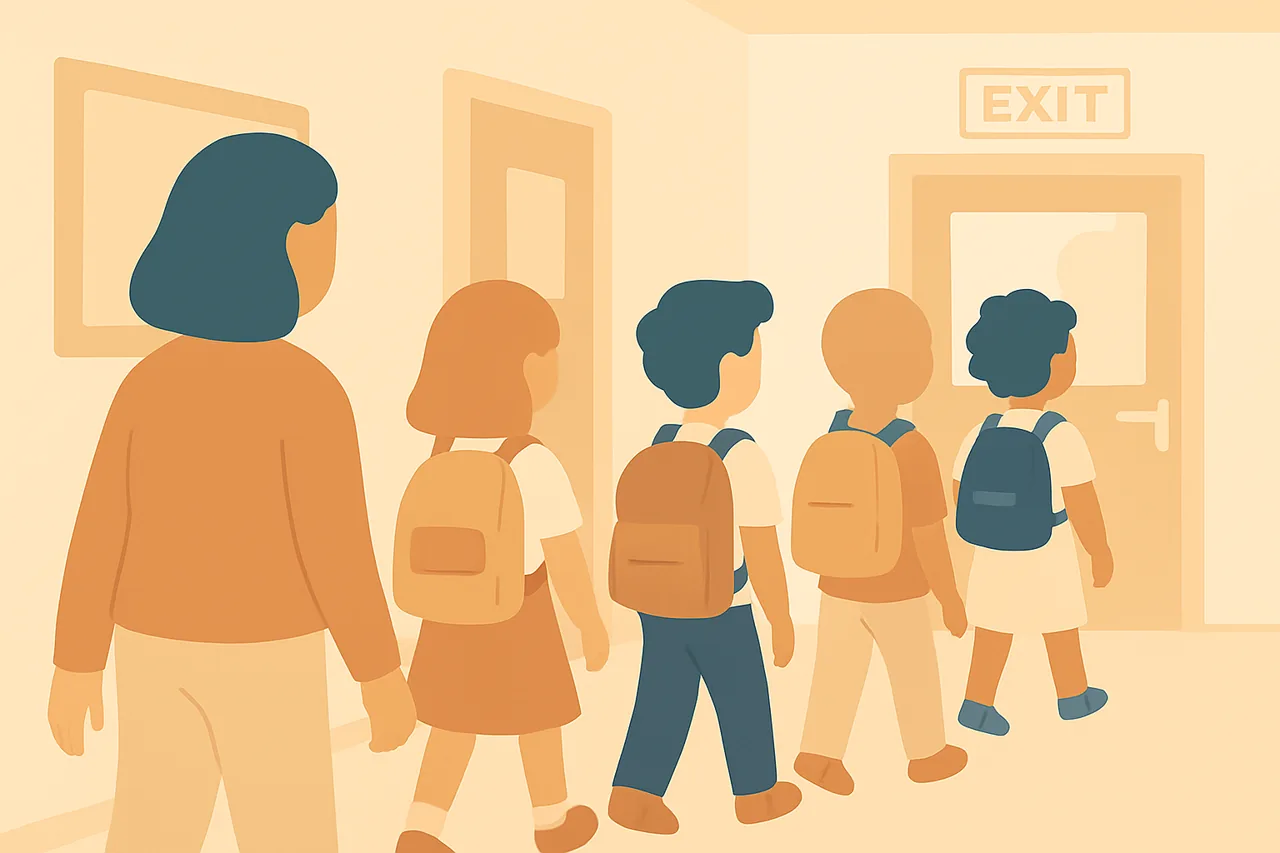
A step-by-step social story for the school restroom routine, including the loud flush and hand dryer, a page scaffold, and a sample story.

Social story for school refusal and morning drop-off (K-5)
6 min read
Build a school-refusal social story around one drop-off: the goodbye, the feeling, the coping step, and the reunion. Read it before the door.

Social story for a new baby sibling (autistic K-5)
6 min read
A 6 to 8 page story that names what the student will see and hear, keeps caregivers' love concrete, and gives a way to help and a way to take a break.

Why social stories use "usually" and "sometimes"
6 min read
Flexible words keep every sentence literally accurate, so one exception does not make a literal reader lose trust in the whole story.
Can a paraprofessional deliver a social story, or does the SLP have to?
7 min read
Yes, a trained paraprofessional can deliver a social story you wrote. Research shows the implementer rarely changes the outcome.
What should a school district data privacy agreement cover for AI social story tools?
7 min read
A district DPA should cover FERPA roles, data ownership, deletion, a ban on training on student data, and breach notice.
When should you rewrite a social story versus reuse it for a new student?
6 min read
Reuse when the scenario matches and only the student differs. Rewrite when the trigger, reading level, or sensory profile changes.
What is the best format to send a social story home to parents?
6 min read
A PDF is the safest default for sending a social story home: it opens on any phone, prints cleanly, and needs no app or login.
Is it FERPA-safe to put a student's name in ChatGPT?
6 min read
No, not the consumer version by default. A student's name plus school context is a FERPA-protected education record. Draft with a placeholder instead.
How to write a social story for riding the school bus
7 min read
A school SLP guide to a bus social story: the six page beats, the noise and seating worries to cover, and a 5-step K-5 workflow.
How to track IEP progress on a social story goal
8 min read
A school SLP method for collecting data on a social story IEP goal: pick a measurable behavior, count opportunities, and chart trials over time.
How to write a social story for a new classroom at the start of the year
8 min read
A step-by-step social story for an autistic K-5 student starting a new classroom: new teacher, new room, new routine, plus a ready-to-adapt template.
Is Boardmaker still worth it for social stories in 2026?
8 min read
A school SLP look at whether Boardmaker is still worth it for social stories in 2026, versus AI text tools, with a side-by-side comparison.

How long does it take to make a social story?
6 min read
Making one personalized social story takes 30 minutes to 2 hours, and finding pictures eats most of it. A school SLP breakdown of where the time goes and how to

What tense should a social story be written in?
6 min read
Write a social story in present tense for routines and future tense to prepare for an upcoming event, in first person for K-5, following Carol Gray methodology.
Social story for losing a game without a meltdown
7 min read
A Carol Gray methodology scaffold for writing a social story that helps a K-5 student handle losing a game or not being first.
How to organize social stories across a 60-student caseload
8 min read
A school SLP system for organizing social stories across a 40 to 60 student IEP caseload, with reusable scaffolds and FERPA-safe storage.
Will an AI detector flag a social story you put in an IEP?
7 min read
What AI detectors actually do, why they false-positive on short text, and what really matters for AI-assisted social stories in IEP documentation.
Are digital social stories as effective as paper ones?
7 min read
What the research says about digital vs paper social stories for autistic K-5 students, and why specificity and re-reading matter more than the format.
How to write a social story from a 5-minute parent intake
7 min read
A school SLP workflow that turns a 5-minute parent intake into a Carol Gray compliant social story you can reuse across your caseload.
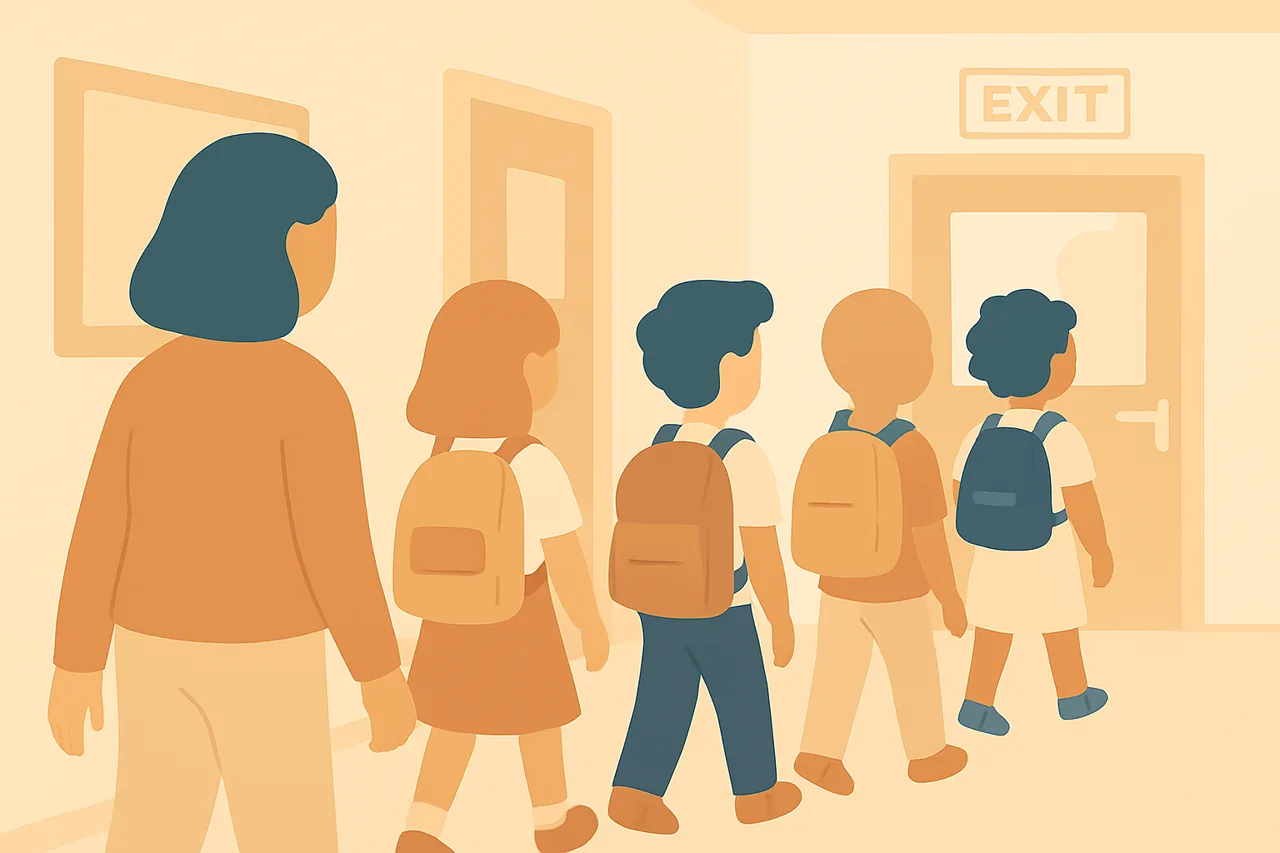
How to write a social story for asking to join a recess game
7 min read
A Carol Gray methodology social story for asking to join a recess game, written for autistic K-5 students, with page beats and the words to use.
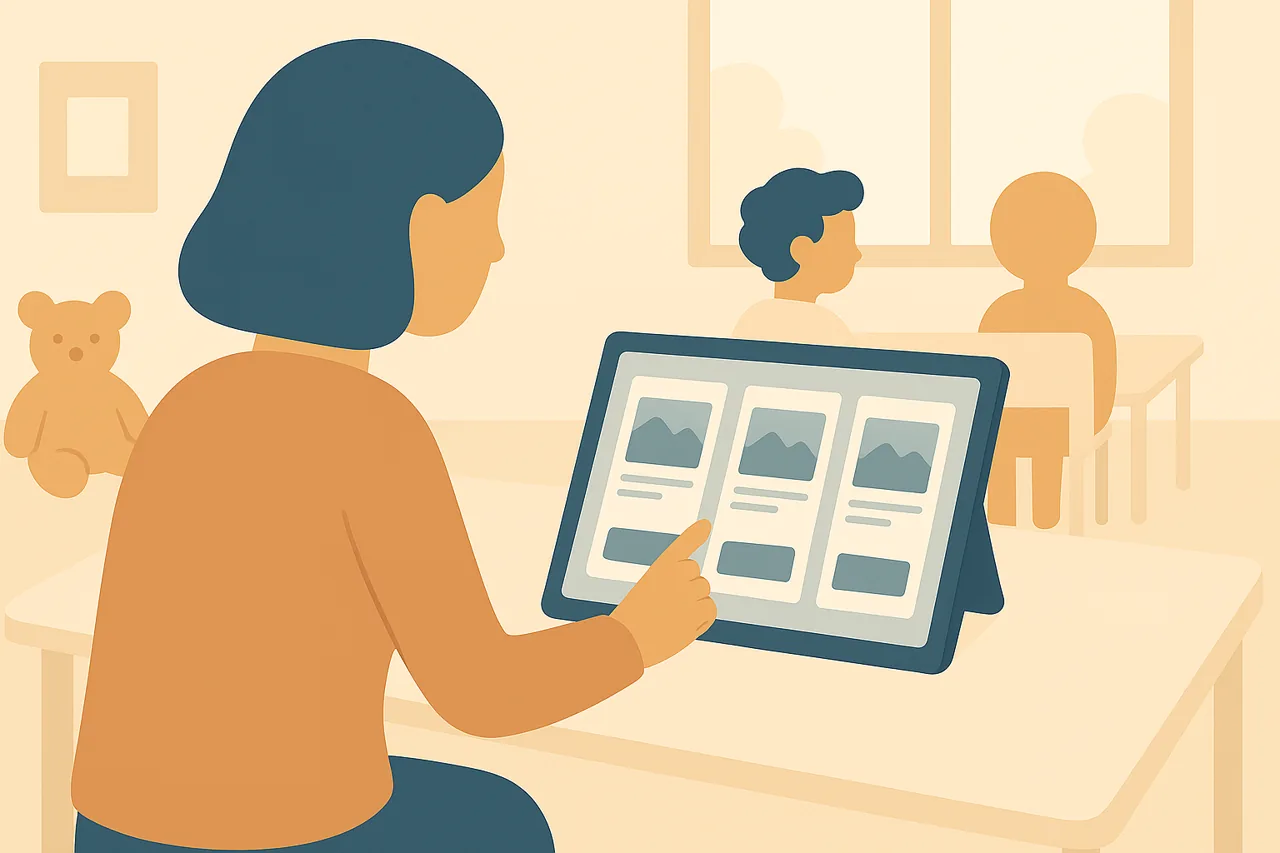
Best free AI tools for special education teachers in 2026
8 min read
Seven free AI tools special education teachers and school SLPs actually use in 2026, with FERPA notes and where each one falls short.
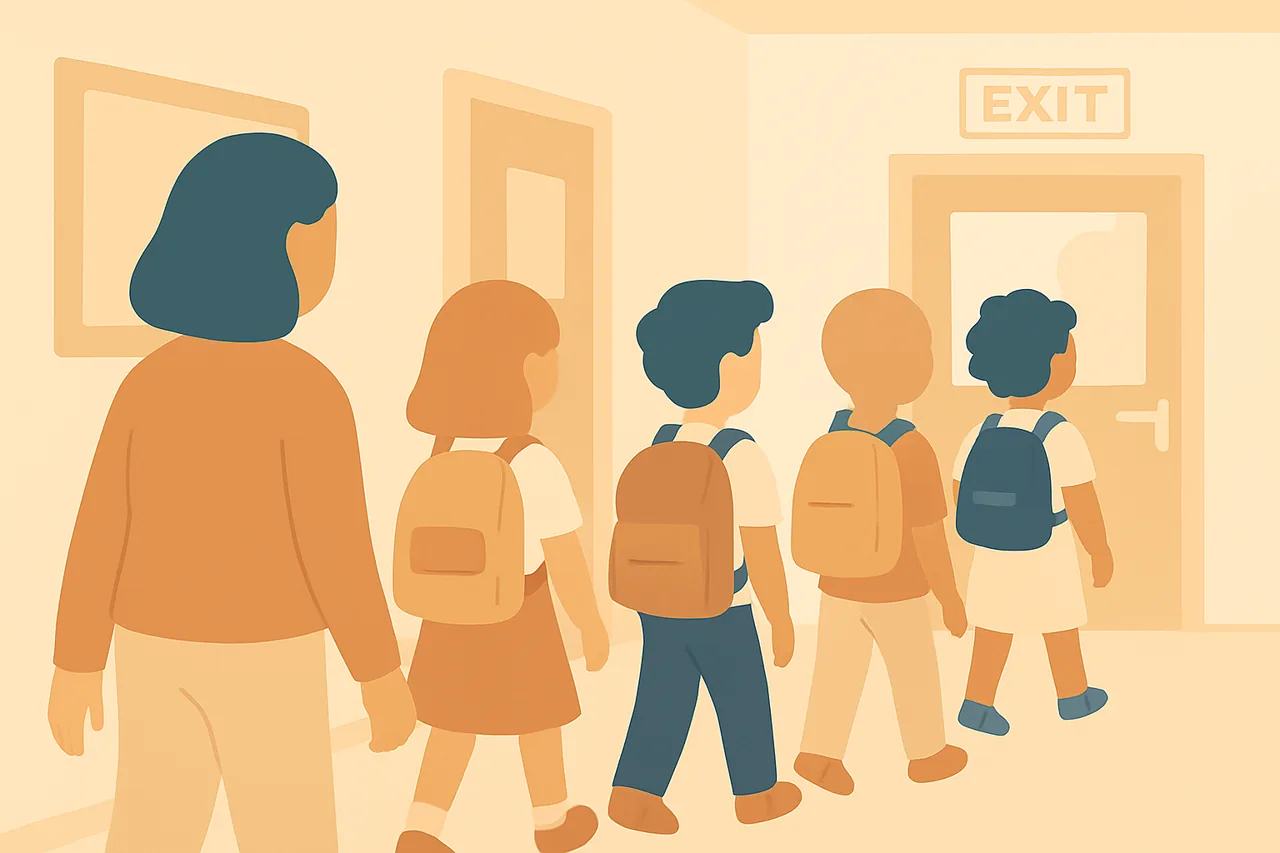
How to write a school assembly social story for loud noise
8 min read
A 6-page school assembly social story for K-5 autistic students, with a loud-noise plan, a seat-choice script, and a same-day re-read schedule.
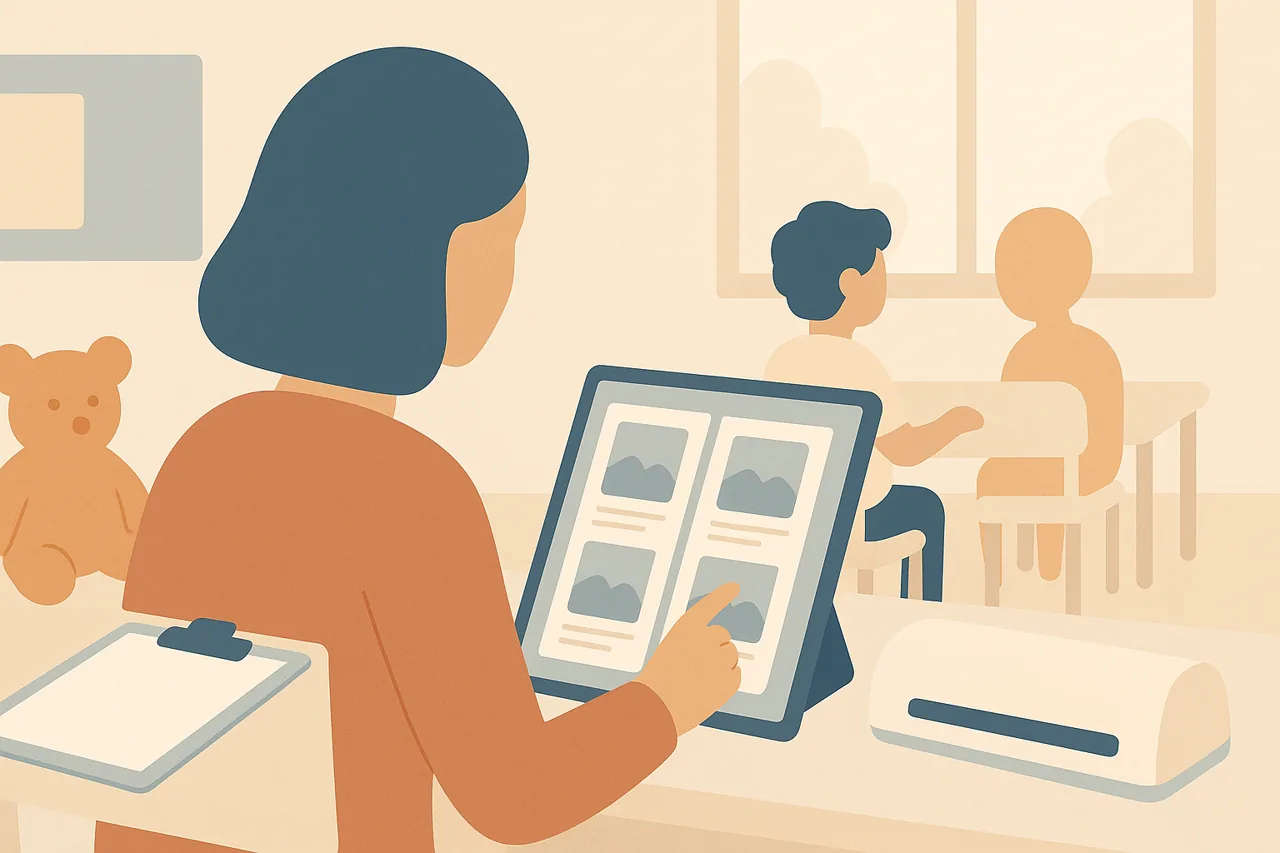
When you should NOT use a social story
7 min read
A social story is a priming tool, not a behavior plan. Six situations where school SLPs should pick a different tool, and what to use instead.
How many pictures per page should a K-5 social story have?
6 min read
One picture per page for K-2, one to two for grades 3-5. The practical rule school SLPs use when Carol Gray methodology does not set a number.
Should a social story be written in first person or third person?
7 min read
First person is the Carol Gray default for one student. Third person fits class-wide narratives and very young readers. The decision rule for school SLPs.
How to write a field trip social story for an autistic K-5 student
8 min read
A 6-page field trip social story covering the bus, the venue, sensory load, lunch, and a self-advocacy script. Send home 5 days early.
Descriptive, directive, and perspective sentences in a social story
7 min read
A school SLP's checklist for the 6 Carol Gray sentence types and the 2:1 ratio that keeps a social story methodology compliant.
How to write a social story for a substitute teacher (K-5)
7 min read
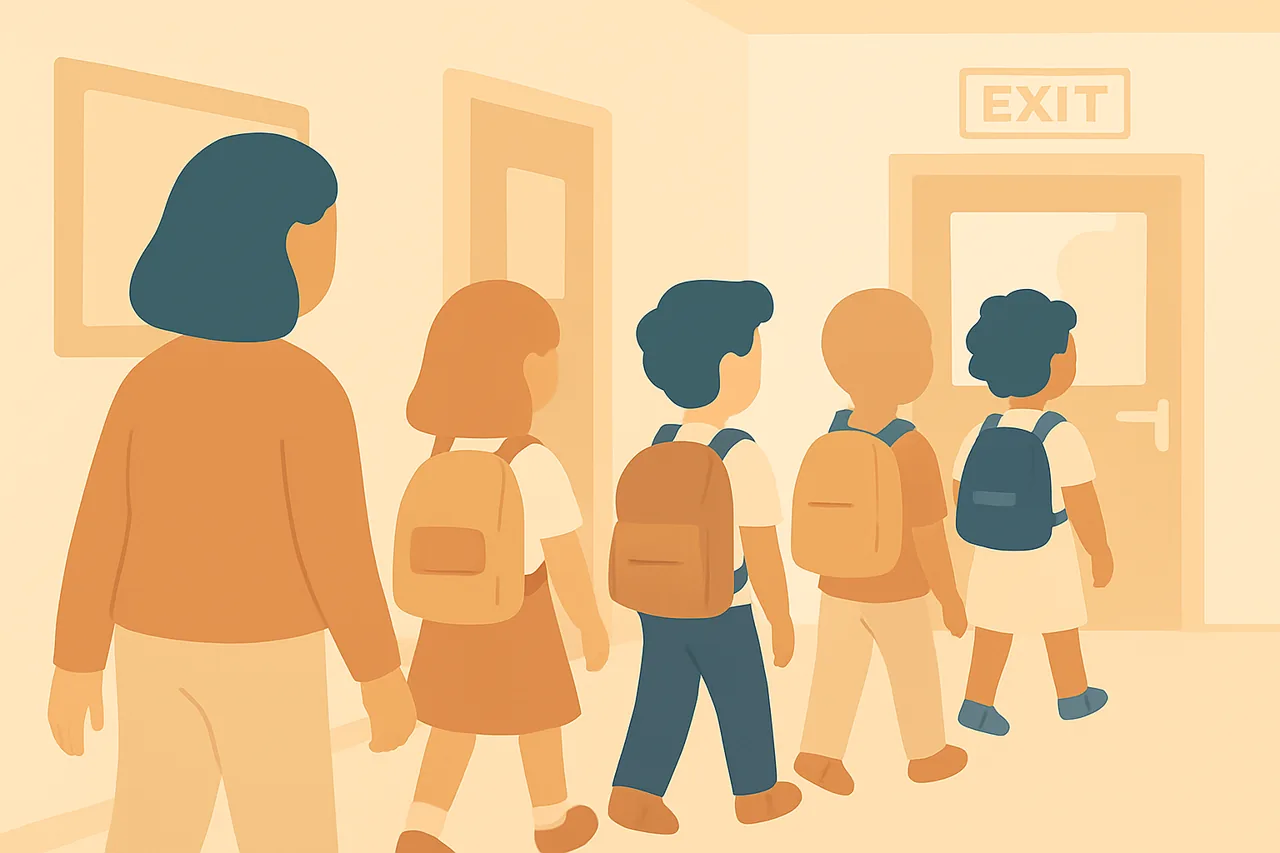
A 6-page substitute teacher social story with the Carol Gray ratio, a script for asking the sub for help, and a sub-folder kit.
Goally vs Pictello for social stories: which fits a K-5 caseload?
7 min read
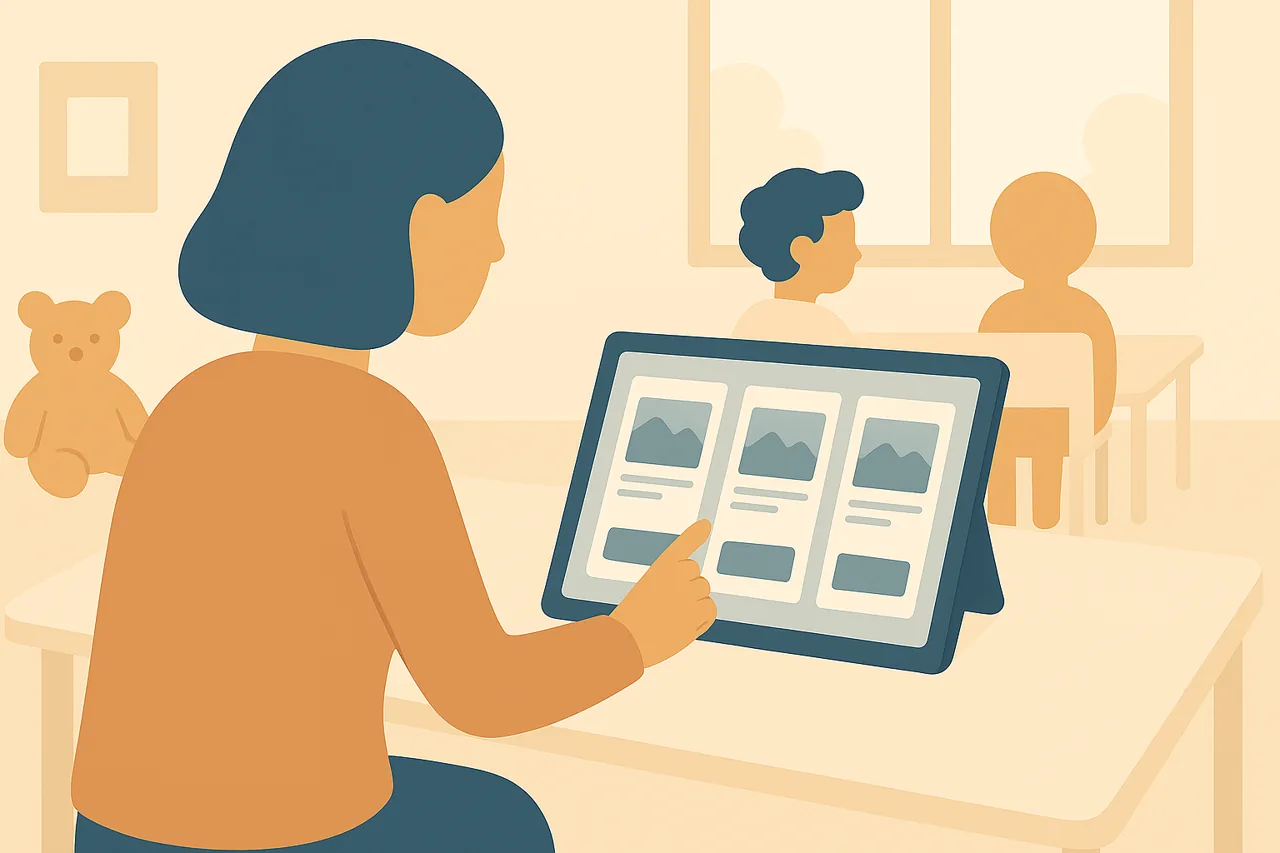
2026 pricing and features: Pictello at $19.99 once vs Goally at $369 with sync. When each fits a K-5 SLP or OT workflow.
Can ChatGPT write a Carol Gray compliant social story?
7 min read
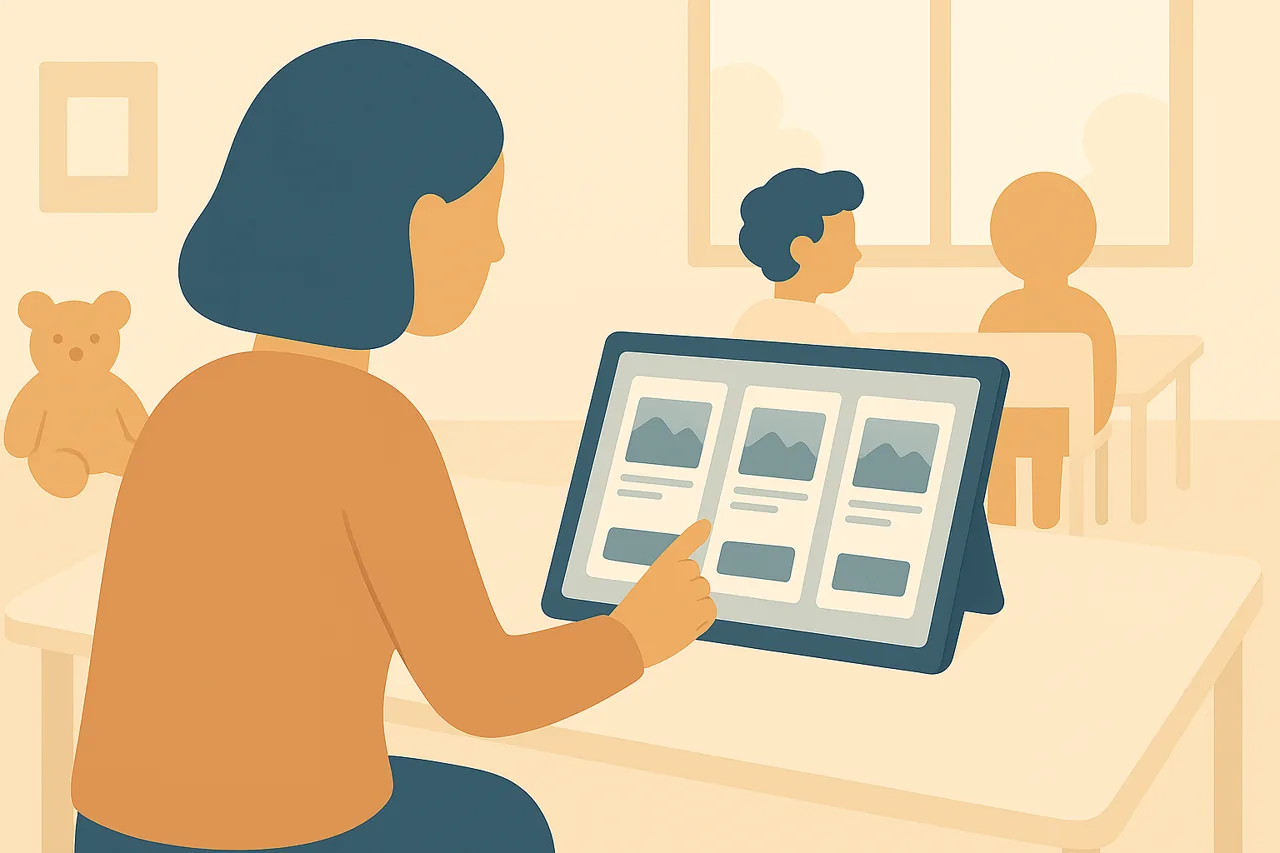
ChatGPT can draft a social story in 30 seconds, but it usually fails the Carol Gray sentence ratio and skips the visuals. Here is the prompt and audit.
How to write a lunchroom social story for an autistic K-5 student
7 min read
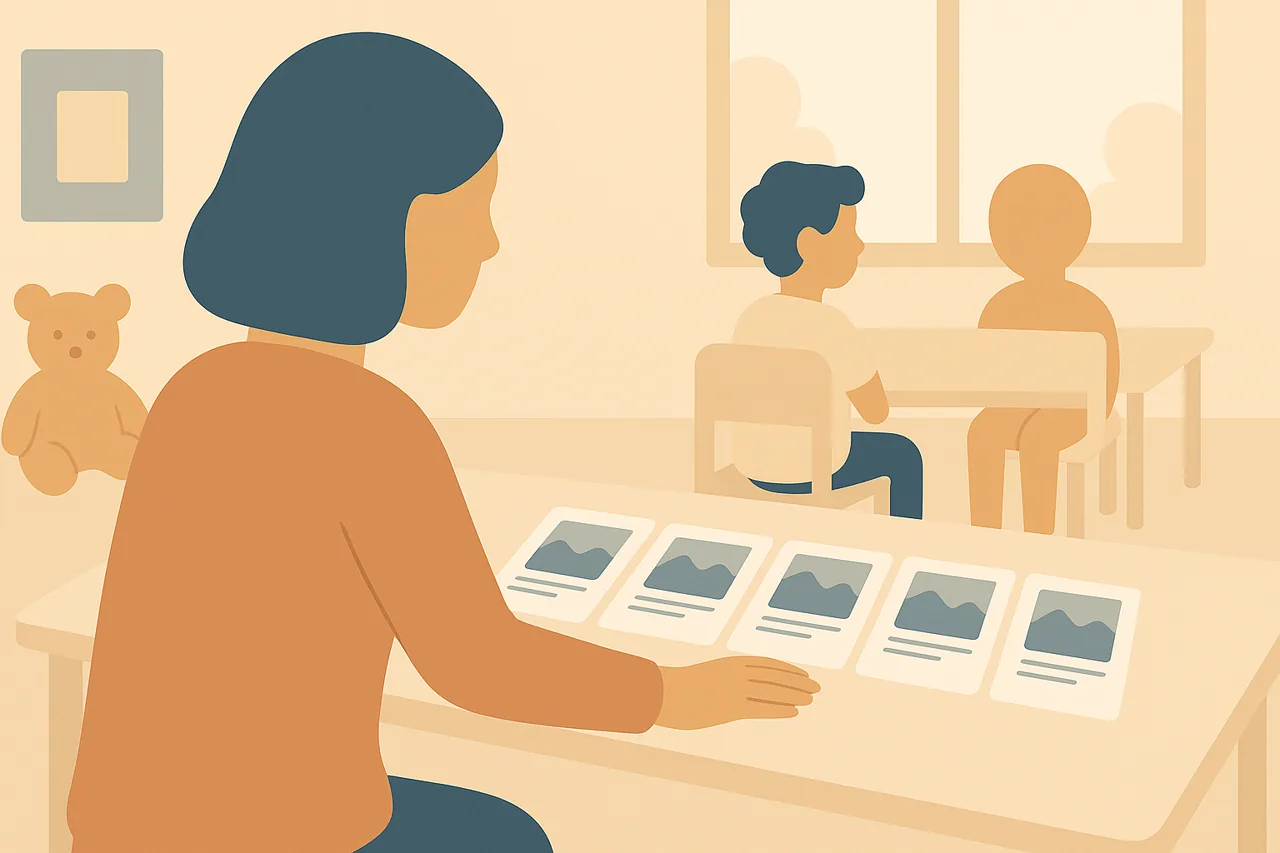
A 6-page lunchroom social story template for K-5 autistic students, with a sensory map, a script for asking for help, and a sample story.
How do you fade out a social story once a behavior is mastered?
6 min read
A 4-stage fading protocol school SLPs can use to phase out a social story after mastery, with maintenance probes and a generalization checklist.
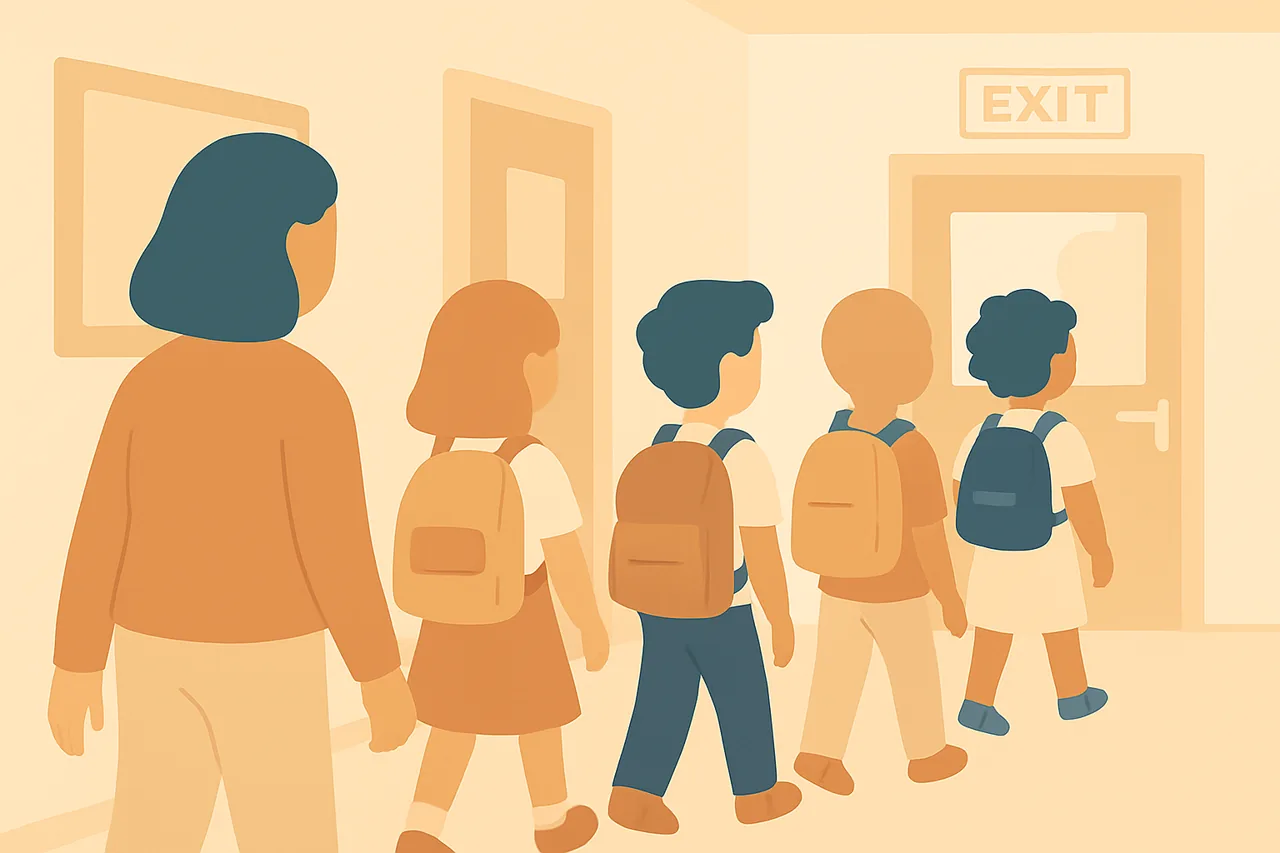
How to write a social story for transitioning between classroom activities
7 min read
A 4 to 6 page transition story paired with a visual schedule and a 2-minute warning is the workflow school SLPs use to cut classroom-transition meltdowns.
Social story vs visual schedule: what is the difference for K-5?
7 min read
A social story explains why and how. A visual schedule shows what is next and when. Both are evidence-based for autistic K-5 students. Here is when to use each.
What is the Carol Gray 10.2 criteria, and what is the actual sentence ratio?
7 min read
Carol Gray's 10.2 refers to the 10 criteria of her Social Stories methodology (version 10.2, 2010). The actual sentence ratio is 2:1, not 10:2.
Which AI social story generator actually includes pictures? (2026 comparison)
8 min read
Most AI social story tools (MagicSchool, ChatGPT, Claude) generate text only. Here is which 2026 tools actually produce illustrations, with FERPA notes.
Free editable social story template for school SLPs (with Carol Gray ratio check)
7 min read
A free 6-page Google Slides template with Carol Gray sentence-type pages, sample captions, and a 10-minute fill-in workflow for school SLPs.
Do social stories actually work? What 2024 and 2025 evidence says
8 min read
Social narratives are evidence-based per AFIRM and NCAEP. A 2026 meta-analysis (21 studies) found a moderate effect (Tau-U = 0.743), strongest for ages 7 to 12.
How to write a social story for a doctor visit including shots
7 min read
A 4 to 6 page story walking an autistic K-5 student through check-in, vitals, the shot, and the sticker after, paired with gradual desensitization.
How do you write a social story for a kindergartener who cannot read yet?
6 min read
For a non-reading K student, the picture IS the story. One short caption per page, one real photo or simple illustration, and read it aloud 2 to 3 times.
Is MagicSchool AI FERPA compliant for social stories?
7 min read
MagicSchool publicly claims FERPA and COPPA compliance and signs district DPAs, but FERPA also depends on how a school SLP uses the tool. Here is what to check.
Social narrative vs Social Story: why the wording matters for school SLPs
6 min read
Social Stories is a registered trademark from Carol Gray. Social narrative is the broader evidence-based category recognized by AFIRM and NCAEP.
Interactive social story app vs static PDF: which works for K-5
7 min read
Interactive apps deliver narration, animation, and comprehension checks. PDFs print and travel. Here is when each format fits a K-5 caseload.
How to write a dentist visit social story for an autistic K-5 student
8 min read
An 8-page dentist visit social story scaffold with sensory previews, a Carol Gray ratio check, and a 15-minute SLP or pediatric OT workflow.
What makes a social story Carol Gray methodology compliant?
7 min read
A social story is Carol Gray methodology compliant when it meets 10 defining criteria, the most important of which is the 1:2 directive ratio.
How to write a haircut social story for an autistic K-5 student
7 min read
A 7-page haircut social story scaffold with sensory adaptations, a Carol Gray ratio check, and a 15-minute workflow that ships a personalized story today.
How to use real photos of a student in a social story without FERPA risk
7 min read
A FERPA-safe workflow for real photos in social stories: written consent, district drive storage, no consumer AI uploads, and a fallback plan if consent is denied.
How long should a social story be for a K-5 student?
6 min read
A K-5 social story should run 4 to 8 pages and 8 to 14 sentences. Carol Gray methodology, AFIRM, and a 2023 study of 856 children converge on this range.
How to write a fire drill social story for a K-5 autistic student
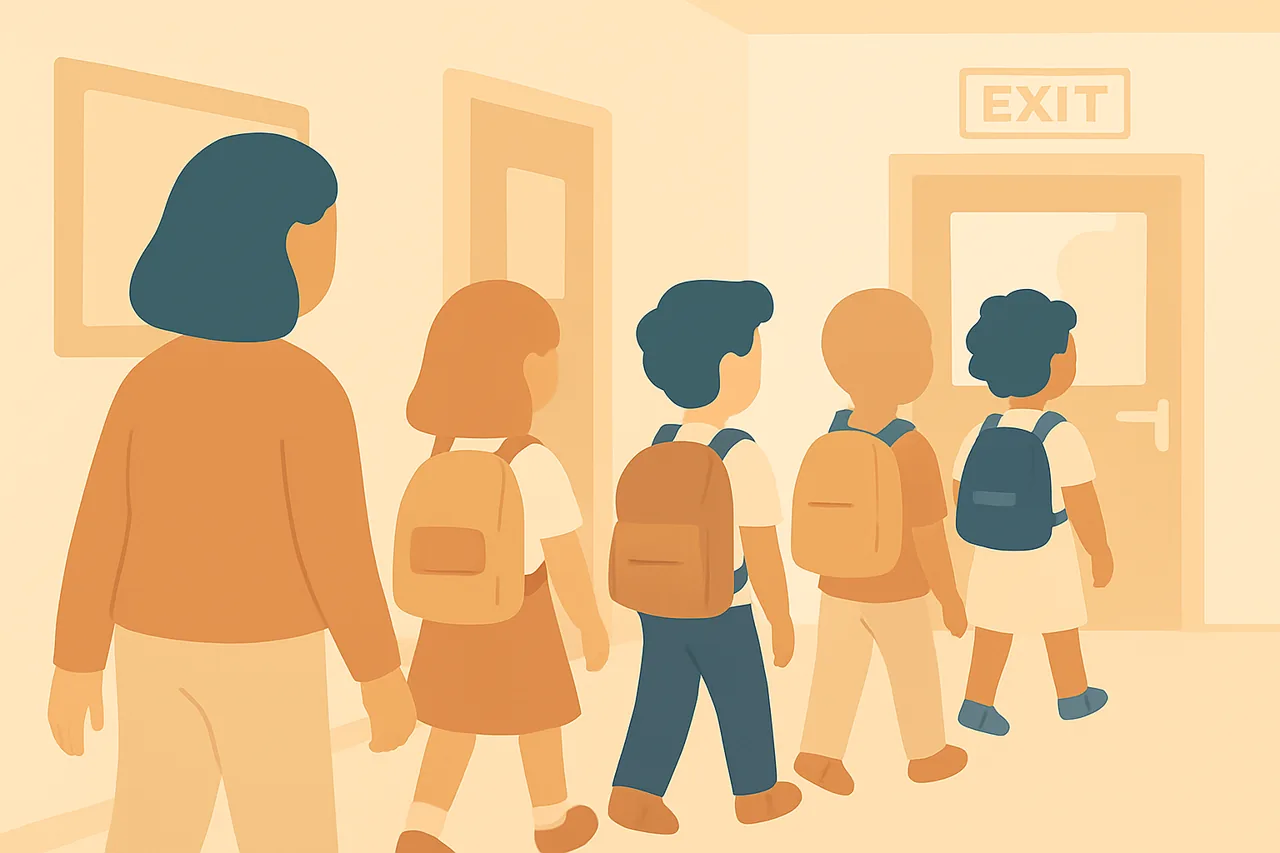
7 min read
A 6-page fire drill social story for K-5 autistic students: warning, alarm, line-up, walk, wait, all-clear. Carol Gray ratio respected, FERPA-safe.
ChatGPT vs MagicSchool vs Boardmaker for social stories: which works for school SLPs?
8 min read
A side-by-side of ChatGPT, MagicSchool AI, and Boardmaker on speed, price, picture support, methodology checks, and FERPA fit for school SLPs.
How school SLPs write personalized social stories fast
7 min read
Most school SLPs spend 30 minutes to 2 hours writing a single social story. Here is a Carol Gray methodology workflow that ships one in under 10 minutes.